
Frequently Asked Questions
General Inspection Questions
A standard Home Inspection is a comprehensive, non-invasive examination of the entire home, including structural elements, grounds, and appliances, to ensure safety and to disclose any issues found in the home. This a a more thorough look at the roof, electrical, HVAC, plumbing and overall condition of the home. The inspector, goes room to room looking at walls, windows, doors, outlets, etc.. looking and/or testing for defects.
A 4-Point Inspection is much narrower in scope, focusing only on some of the elements of the HVAC, roof, electrical, and plumbing systems as required by insurance companies to determine insurability.
For standard inspections, reports are typically delivered on the same day as the inspection. Specialty testing, such as mold and air quality, often requires lab processing with results usually available by late afternoon the following business day. WDO (wood destroying organisms) reports are typically out the next morning.
While not mandatory, we encourage clients to attend the final portion of the inspection. This allows the inspector to walk you through major findings and answer questions onsite. For instance, if the inspection will take 2 hours, we ask clients to show up about an hour and a half into the inspection. If you cannot attend the inspection, the inspector will give you a call that afternoon or evening and go through the report with you. It is important to note that on new construction inspections, many builders will not allow the clients on site during the inspection.
Once your inspection is booked, you will be sent an email with a contract and a payment link, allowing to use a debit card or credit card. You can also give the inspector a check at the time of the inspection. Contracts should be signed before the inspection begins and reports are not released until the contract is signed and the inspection is paid for.
Yes, all of our inspectors carry a valid, Florida, Home Inspector’s license. We also carry General Liability insurance along with E & O insurance.
The home should be clear of clutter and clean. The inspector will walk around the outside of the home and on the grounds. If possible, the inspector will get on the roof, in the attic and under the crawl space if there is one. You should expect the inspector to go in every room, every closet, the garage and patios and porches. They will open cabinets, turn on water, run the dishwasher and other appliances, remove the cover from the electrical panel, test outlets, test the HVAC system, test the water heater, walk the floors. There should be a clear path to the electrical panel with approximately 3 feet of open space around it. Photographs are taken in every room Animals should be put up during the inspection for their safety and the safety of the inspectors. If you are selling your home, you should plan on leaving during the inspection. Your realtor will communicate a time when it is clear for you to return.
Florida Insurance & Specialty Services
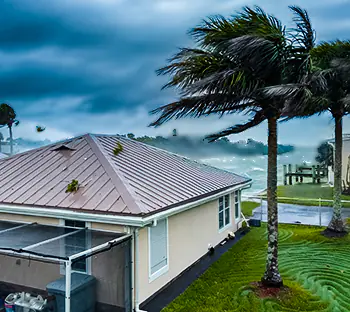
In Florida, a Wind Mitigation Inspection is critical for homeowners insurance as it identifies construction features that reduce losses during high-wind events. This report often leads to significant premium discounts. Wind Mitigations cannot be performed on mobile homes and manufactured homes. They only get 4 point inspections. The inspector will need attic access for the wind mitigation.
Yes. While home inspectors look for structural signs of pests, a specialized Wood Destroying Organism (WDO) inspection can be coordinated through our office to occur at the same time as your general inspection. We do not do the WDO inspections ourselves but will sub-contract out to a local pest control company to do them.
Thermal imaging uses infrared cameras to detect hidden issues like moisture intrusion, missing insulation, and electrical hotspots that are invisible to the naked eye. Thermal imaging can show unusual heat signatures behind the walls. It is not effective through tile and concrete. It is included in all new construction final inspections and can be added to any of our full home inspections.
New Construction FAQs
Even new builds can have defects in framing, insulation, or system installations. We offer a phased approach to catch these issues before they are hidden by drywall or before your builder’s warranty expires. We offer pre-slab, pre-drywall, final and 11 month warranty inspections. In Florida, new construction homes are under a builder’s warranty for one year.
Most new Florida homes come with a 12-month builder’s warranty. An 11-Month Warranty Inspection provides a professional report on any defects that have surfaced during your first year, giving you the leverage to have the builder fix them before the coverage ends.